Parenting
When everyone wants the same toy
A shared toy can become a chance to practise taking turns, with an adult close by.
Published

A shared toy can become a chance to practise taking turns, with an adult close by.
Begin with safety and a pause
Stay nearby and calmly stop hitting or pulling. Name the situation briefly: “You both want the truck.” Avoid asking a young child to explain a long sequence while upset. If needed, set the toy aside while everyone has space to settle.
Offer a workable next step
Try a clear turn, another activity, or playing alongside each other with different materials. Do not insist that every treasured object must be shared. Agree in advance which belongings are personal and which are available for shared play.
Return when it is calm
Later, talk briefly about what happened and what you can try next time. Let children help choose a turn-taking signal if they are ready. The aim is practice, not a perfect resolution on the first attempt.
Choose one shared-play rule before the next playtime.
A practical checklist
Use the ideas that fit your household and leave the rest. One small change is enough for a first try.
- Move close, block hitting or pulling, and describe the problem in one sentence.
- Give everyone a brief pause before asking for a solution.
- Offer a timed turn, parallel play, or another activity that is genuinely available.
- Mark personal belongings separately from toys intended for shared use.
- Rehearse one simple turn-taking phrase later when everyone is calm.
When the plan needs to change
Children differ by age, temperament, communication, and the kind of day they are having. Try one change for several ordinary days, notice what becomes easier or harder, and adapt without turning the routine into a test. Ask a qualified professional about persistent developmental or wellbeing concerns.
Keep exploring
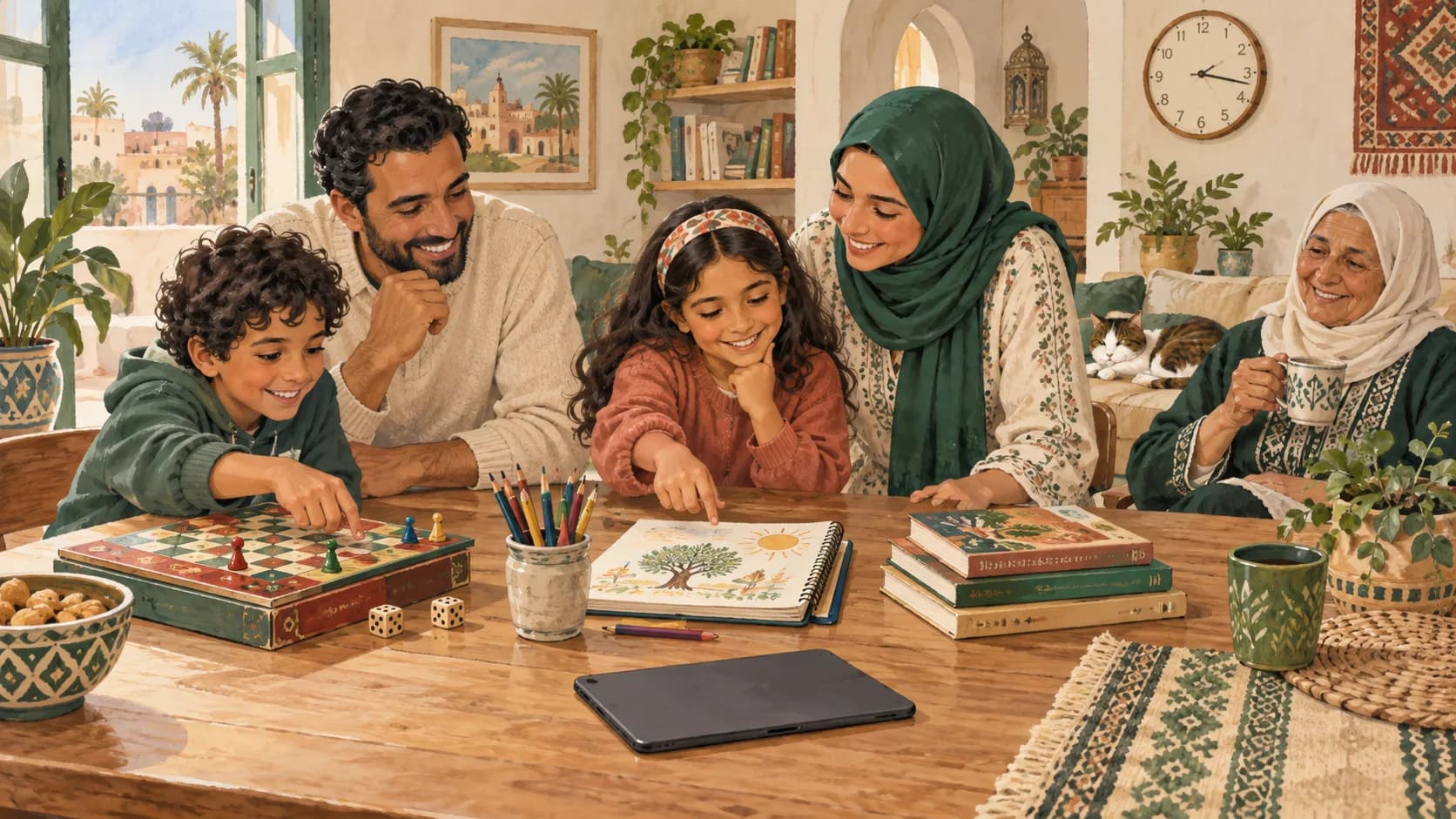
Build a screen-time routine your family can actually keep
Make a practical family media plan around sleep, shared spaces, useful content and calm transitions.
3 min read
When one sibling feels left out
Respond to sibling jealousy with safety, individual attention and practical family routines.
3 min read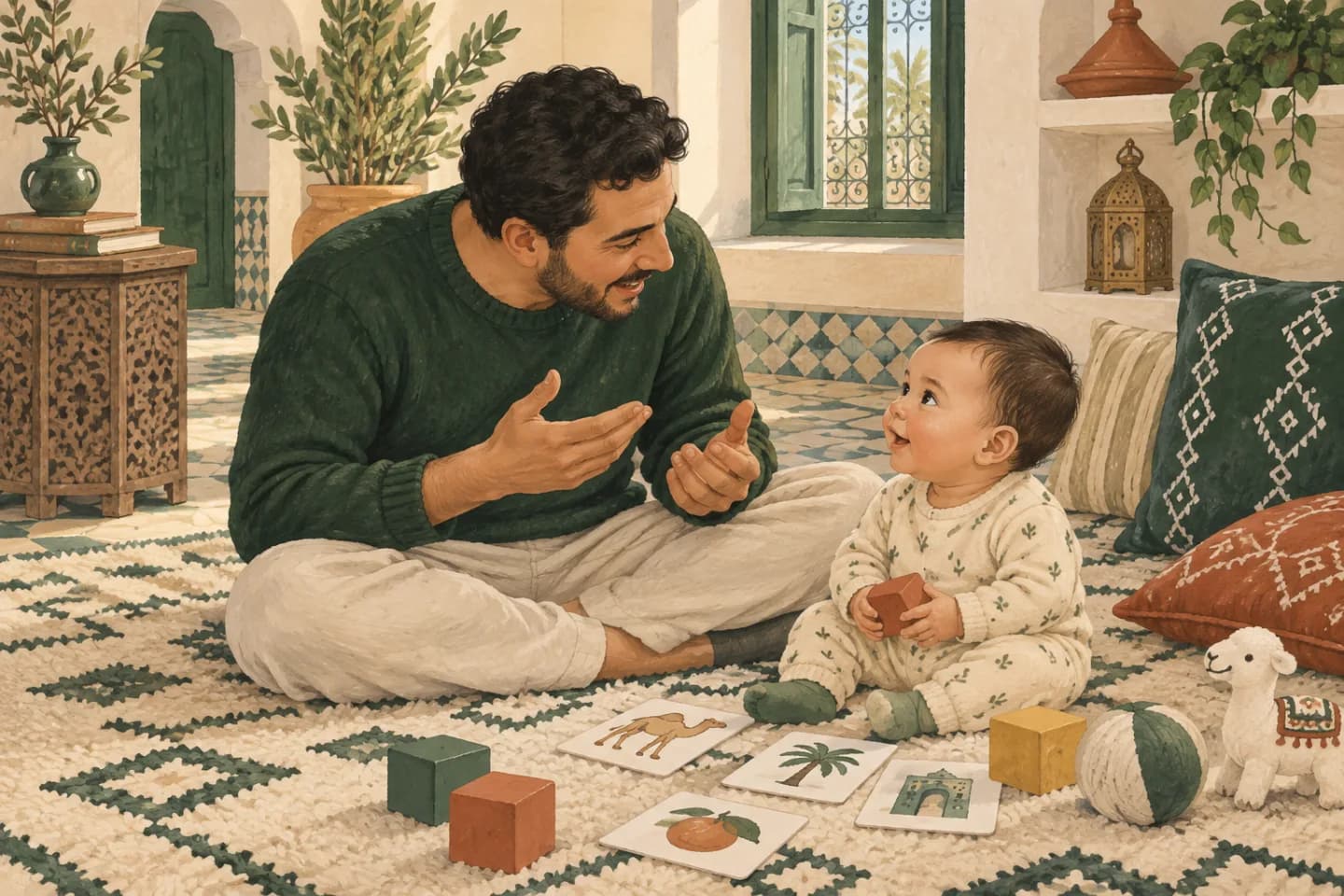
A few minutes of talking together
Everyday narration can be a gentle way to share a moment with your baby.
2 min read