Parenting
When one sibling feels left out
Respond to sibling jealousy with safety, individual attention and practical family routines.
Published
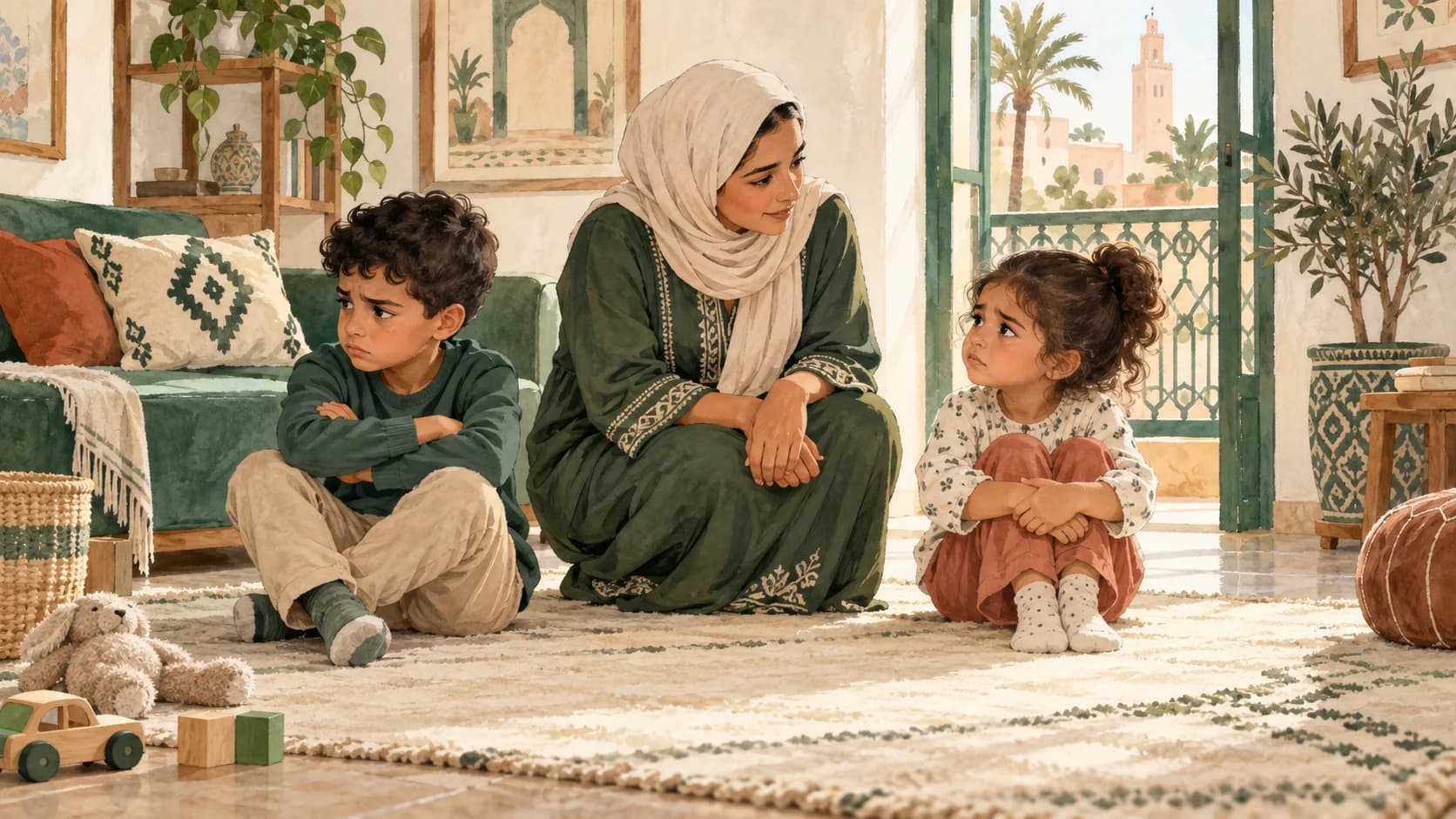
When a child says “You love her more,” the feeling may be real even if the conclusion is not. Jealousy can appear after a new baby arrives, during school transitions or whenever one child needs extra attention. A useful response begins with safety and connection rather than a debate about who received exactly the same number of minutes.
Notice the moment without assigning a role
Children may show jealousy through anger, withdrawal, clinginess or requests for help with things they can usually do. None of these signs proves a single cause. Look for patterns: does it happen at bedtime, when visitors praise one child, or while a parent is busy with a baby?
Avoid labels such as “the jealous one” and avoid comparing personalities or achievements. A child can be upset with a sibling and still love them. Naming the feeling is more useful than insisting they feel grateful.
Respond to the feeling and keep boundaries
Try: “It was hard to wait while I helped your brother. You wanted time with me.” Then state the safety limit: “I won't let you push him.” Move between the children if needed and help everyone settle. Do not require an immediate apology while a child is still overwhelmed. Return to repair when they can listen and speak.
If a baby is involved, give the older child age-appropriate ways to participate, such as choosing a song or bringing a clean cloth. Participation should be an invitation, not a duty or a test of affection.
Make attention predictable
Ten minutes of undivided attention can feel different from an hour spent together while an adult is distracted. Pick a small, repeatable moment: a bedtime story, a walk to the shop or breakfast together on Saturday. Tell the child when it will happen and keep the promise when possible. If plans change, name a new time.
Fairness does not always mean identical treatment. Children of different ages need different help. You can explain the difference plainly: “I am feeding the baby now; after that, I will read with you.”
Help siblings build their own relationship
Offer activities in which neither child must compete for a prize: building together, watering plants or choosing music. Protect individual belongings and private space where possible. Praise a specific cooperative action instead of assigning a permanent identity such as “the good big sister.”
Relatives can help by greeting each child, avoiding public comparisons and asking what each enjoys. In a busy extended family, a quiet check-in may matter more than a gift.
This week, choose one predictable moment alone with each child and one shared activity without a winner.
When to seek more support
If aggression repeatedly threatens safety, a child seems persistently distressed, or family routines no longer help, speak with a qualified child or family professional. Bring concrete examples of when the difficulty occurs and what you have tried. Asking for support is a way to care for every child involved.
Keep exploring
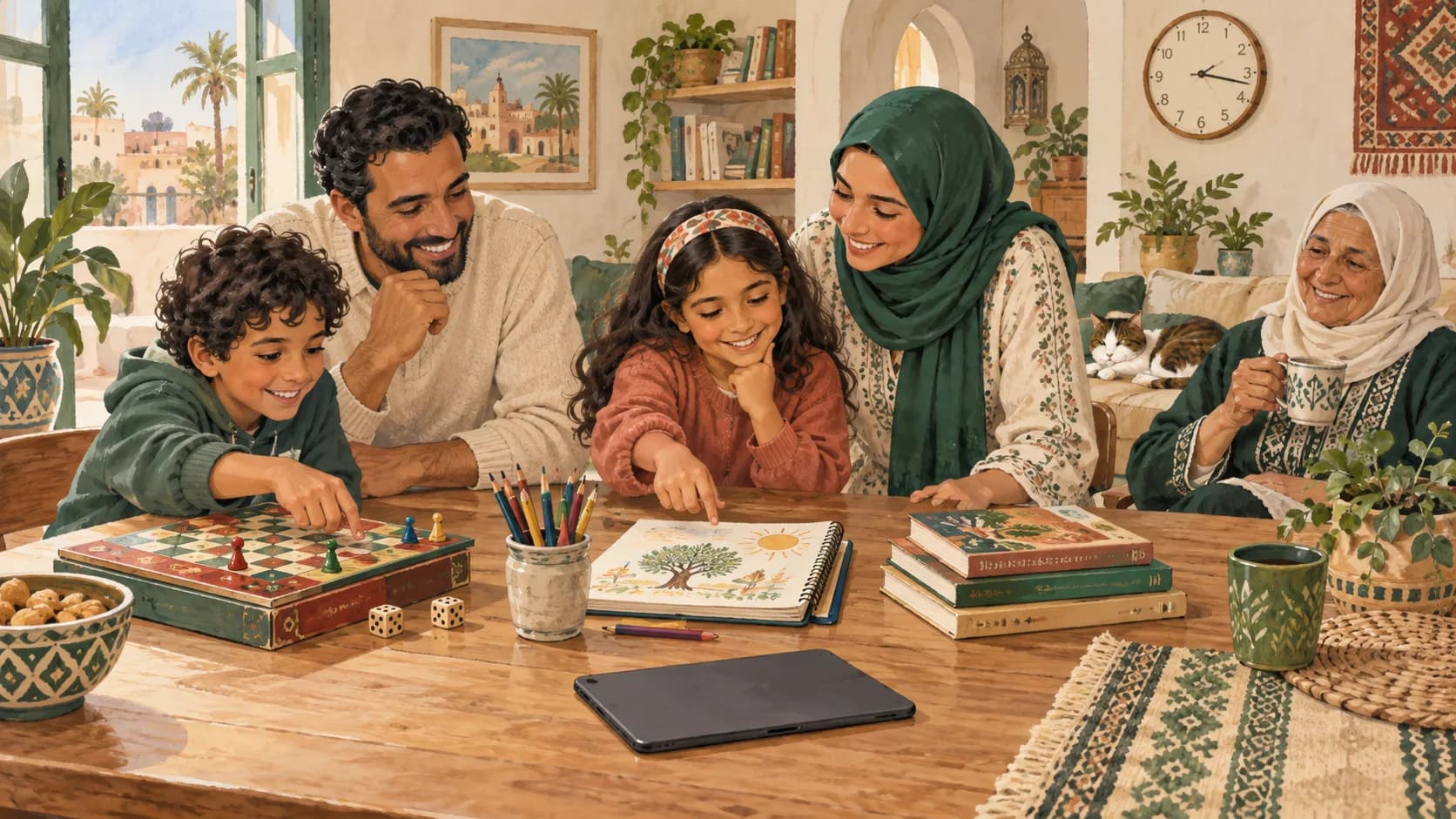
Build a screen-time routine your family can actually keep
Make a practical family media plan around sleep, shared spaces, useful content and calm transitions.
3 min read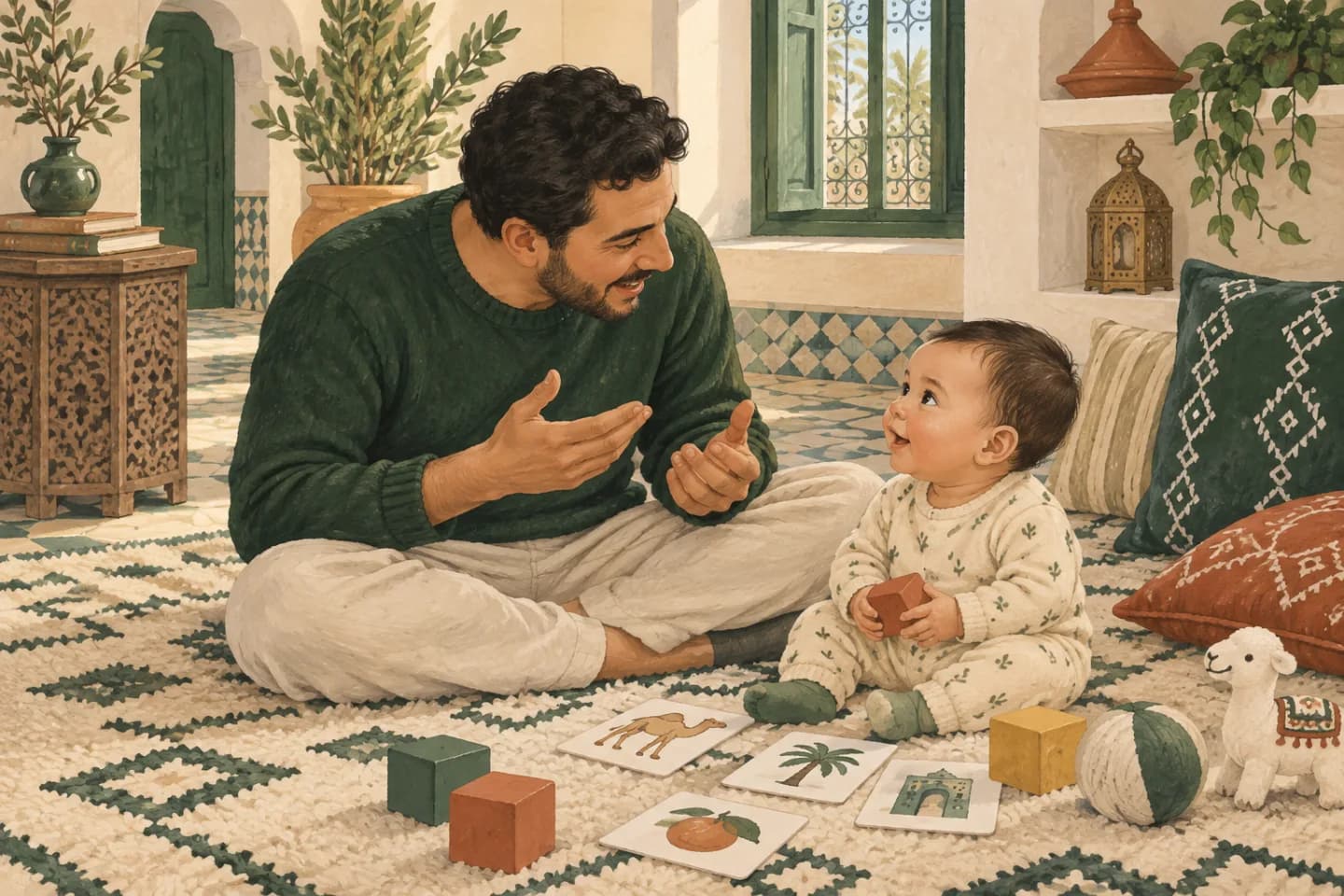
A few minutes of talking together
Everyday narration can be a gentle way to share a moment with your baby.
2 min read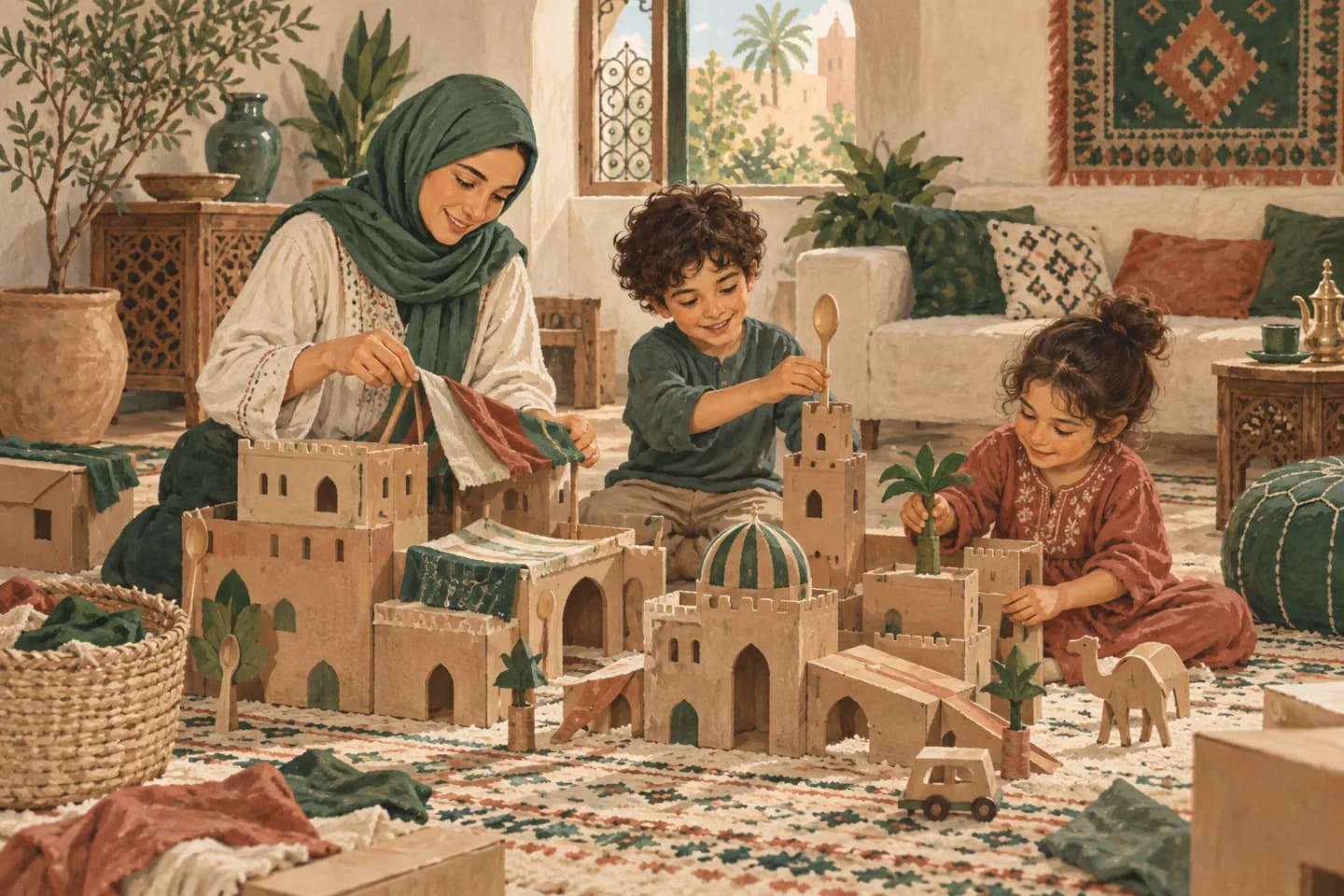
An afternoon of play, with what you have
A clear little space and an open invitation can be enough to begin.
2 min read