Family life
Traditions that grow with your family
A tradition can keep its meaning while changing its size, timing, or shape.
Published
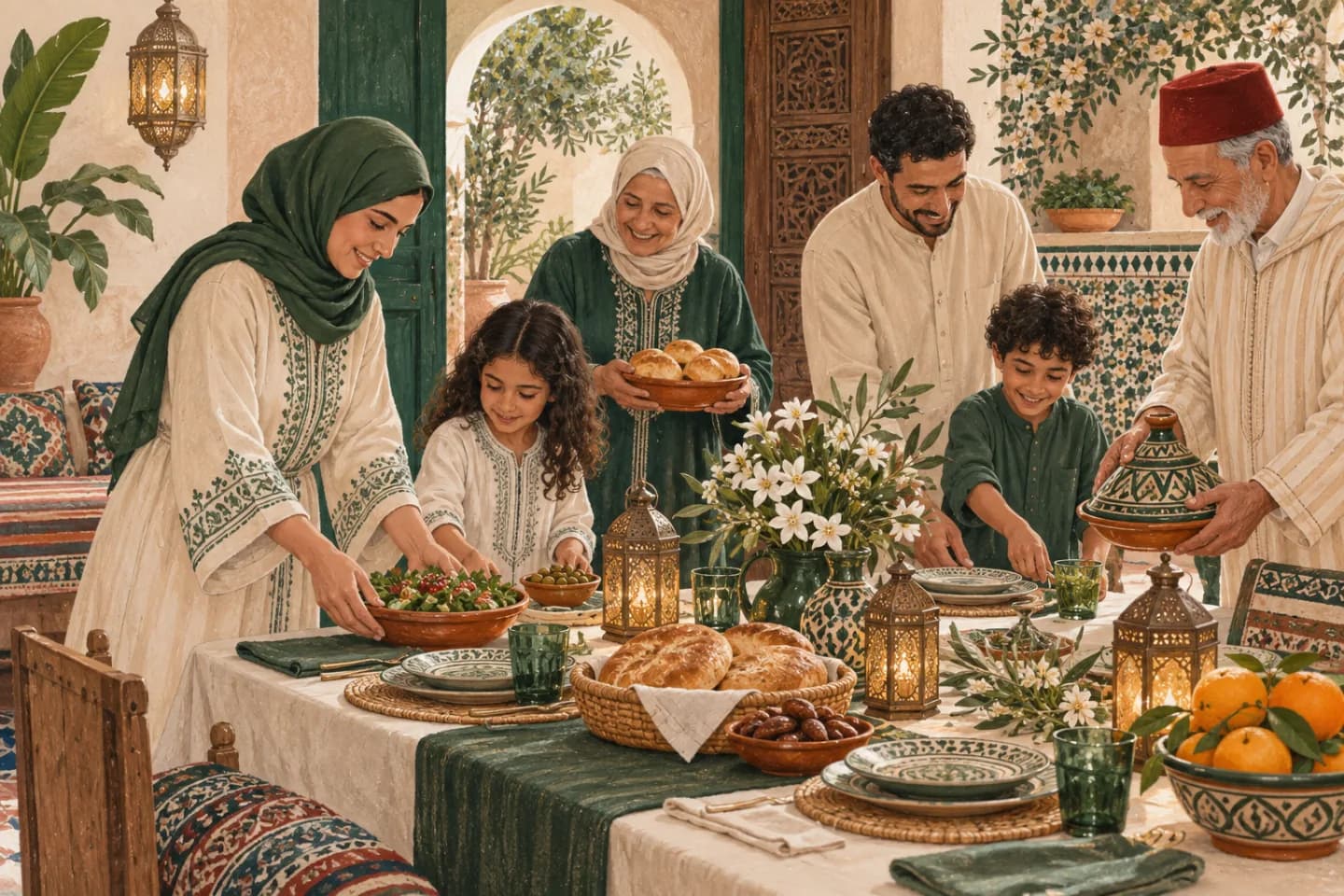
A tradition can keep its meaning while changing its size, timing, or shape.
Find the part that matters
Ask what you love about a tradition: a person, a recipe, a gathering, or a feeling of welcome. Separate that meaning from the work involved. You may be able to keep the important part while making the preparation much simpler.
Invite more than one story
In a family with different cultural backgrounds, ask each person which customs they would like to share. Avoid making one tradition the default and others an occasional extra. Children can help choose a song, decoration, or question to ask relatives.
Allow a new version
You might move a meal to a different day, use a family recipe with available ingredients, or join a celebration by phone. Explain the change as part of your family’s story rather than a failure to do things properly. New rituals can sit beside old ones.
Ask everyone to name one tradition they would like to keep.
A practical checklist
Use the ideas that fit your household and leave the rest. One small change is enough for a first try.
- Ask each person which part of the tradition carries the meaning for them.
- List the preparation, cost, travel, hosting, and emotional work involved.
- Keep one meaningful element and simplify or share the heaviest task.
- Explain changes early so relatives have time to ask questions and adapt.
- Record the new version as part of the family story rather than an imitation of the old one.
When the plan needs to change
A workable arrangement may stop fitting when schedules, money, access, or family relationships change. Name the new constraint, protect privacy and respect, then agree on the smallest fair adjustment you can review together later.
Keep exploring

Parenting with grandparents: agree on the essentials
A respectful way for parents and grandparents to share care while making roles, routines and boundaries clear.
3 min read
A home for every language
Make room for Arabic, French, English, or any language that connects your family to its people.
2 min read
A weekend with less on the list
Leave a little unplanned space between the things your family needs to do.
2 min read