Family life
The stories only your grandparents can tell
An ordinary memory can become a small piece of family history to share.
Published
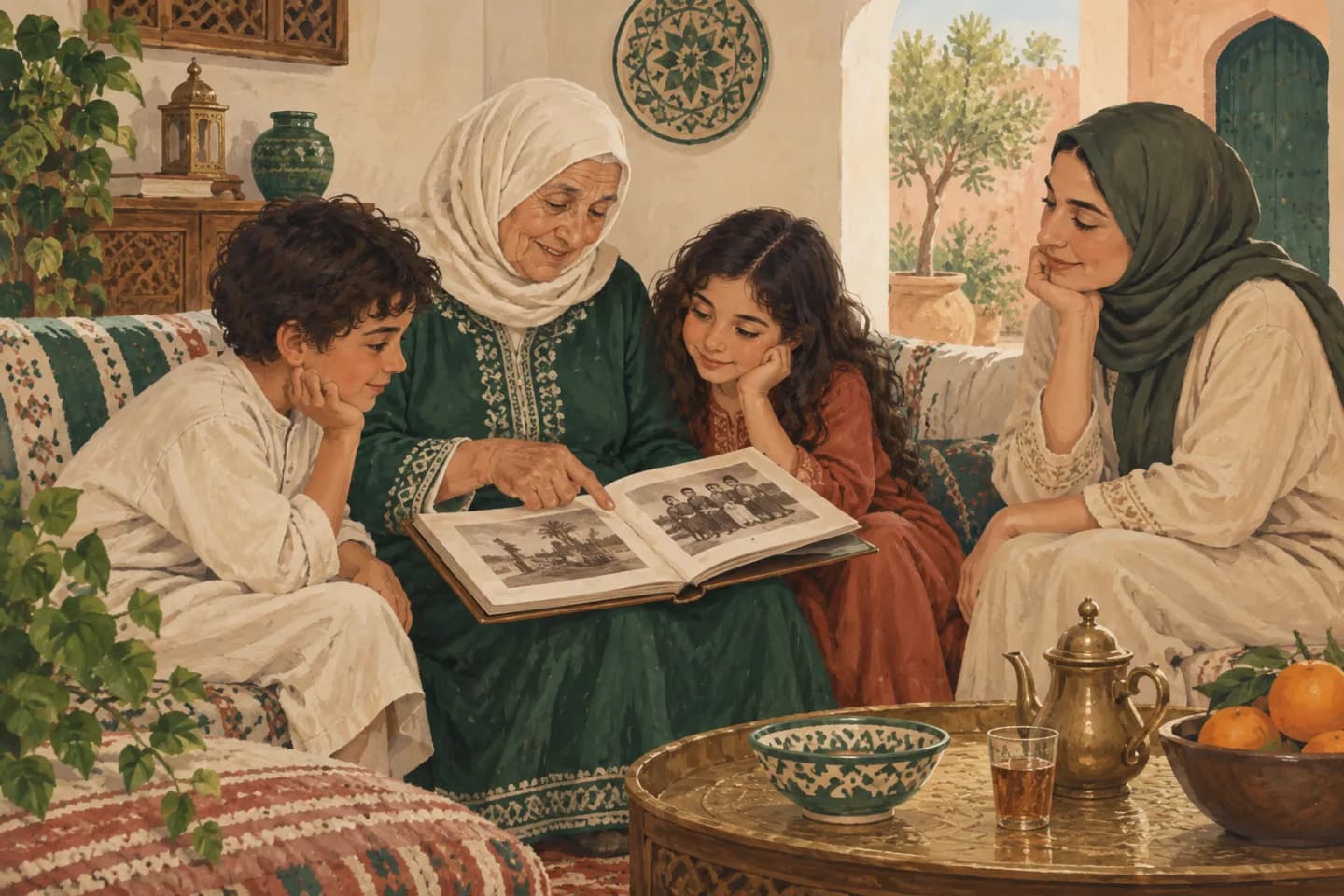
An ordinary memory can become a small piece of family history to share.
Ask a small question
Instead of “Tell us your life story”, ask about a childhood breakfast, the route to school, or a game played outside. A concrete question gives a person somewhere to begin. Let them skip a subject or stop whenever they wish.
Let children be curious
Invite a child to ask what a word means or how something worked. Draw the scene together, write a few sentences, or simply listen. Ask permission before recording, and agree on who may hear it. Family stories do not need to become public content.
Keep different memories
People may remember the same event differently. Record whose version you heard rather than forcing agreement. Add the date and any place names you know. You are keeping a person’s memory, not creating a flawless historical record.
Ask: “What did you like to do after school?”
A practical checklist
Use the ideas that fit your household and leave the rest. One small change is enough for a first try.
- Choose one concrete question about food, school, work, travel, or play.
- Ask permission before recording audio, video, names, or sensitive memories.
- Write the speaker, approximate date, place, language, and who helped interpret.
- Keep different versions when relatives remember an event differently.
- Agree where the story will be stored and exactly who may see or hear it.
When the plan needs to change
A workable arrangement may stop fitting when schedules, money, access, or family relationships change. Name the new constraint, protect privacy and respect, then agree on the smallest fair adjustment you can review together later.
Keep exploring

Parenting with grandparents: agree on the essentials
A respectful way for parents and grandparents to share care while making roles, routines and boundaries clear.
3 min read
A home for every language
Make room for Arabic, French, English, or any language that connects your family to its people.
2 min read
A weekend with less on the list
Leave a little unplanned space between the things your family needs to do.
2 min read